

The Development Exchange Interviews work with credible teachers involved in hockey development around the world, turning their advice into repeatable habits you can spot on film and at practice.
Welcome Back To The Development Exchange
We are back with an exciting guest! Grab a notebook, today I am very lucky to have the Head of Junior Coaches (U8-U15,) Joni Viherlaakso from the club Helsinki Ice Force join me.
Feel free to listen to our entire conversation below.
Who Joni Is, And What is Helsinki Ice Force?
Ice Force Helsinki, formed for the 2025–2026 season through the merger of Itä-Helsingin Kiekko (IHK) and REDS Helsinki, is an inclusive club offering a high-quality, inspiring environment for players of all levels.
Joni’s current role allows him to see the growth of youth hockey firsthand in Finland. With Helsinki being arguably one of the two biggest hockey markets in Finland (sorry, I have to give the top spot to Tampere), a lot of talent and development flow through the city.
“I’m head of junior coaches, U15 to U8, and I’m skills coach and I’m also a principal of our entry level hockey school… We try to develop more all-around athletes in our youth age and give them the head start when the games get tougher. It’s our new strategy, we try to have less ice time but the same amount of practice for under 12… We don’t offer more than three practices in a week for under 12 years old.”
The constraint is intentional. Fewer team skates at U12 and below, the same training volume, and more room for multi-sport play and family time. Creating an all-around athlete will benefit growth in the long run. Hockey is a sport that can improve without daily, direct practice. This also helps keep the game fun and engaging for youth. Most NHL players say they love playing hockey, so avoiding early burnout is a good path.
The National Spine, Local Freedom
Joni frames Finland’s alignment plainly.
“We do a lot of co-works with [the] Finnish Hockey Association… we work separately, but once a year all the areas come together and we try to develop the path of the Finnish hockey player… Every club does their own thing, but you don’t have to invent the wheel again. Stick to the Finnish Hockey Association player path.”
“We don’t have to do anything. We can make our own decisions in our club and the Finnish Hockey Association gives us guidelines… The player path was refreshed last year from U8 to U20… It is called the Lion’s Path. That is what clubs use as a tool to keep players on the path.”
Annual area alignment plus club autonomy is the operating model. It fits what I have called one spine versus many ladders, a shared framework that reduces reinvention while allowing clubs to fit local context.
Late Bloomers, Bio-Banding, And Better Selection
Joni highlights a selection trap and how Ice Force counters it.
“There was a Swedish study that the probability of a good hockey career, even NHL, is most likely for late bloomers… First national teams at U16 pick the first ones who have grown… In two years those late bloomers catch up.”
The study points out that junior success skews toward early maturers while NHL attainment tilts back toward later maturers, which is why researchers recommend routine maturation tracking in selection and development. A 20-year Swedish analysis found early biological timing correlated with U16 and junior selection, but adult outcomes favored players who matured later, and the authors urged organizations to add maturity assessments to their process. Bio-banding pilots in hockey report that later-maturing U13–U14 players get more meaningful involvement and that coaches’ selection preferences shift when maturity is controlled, suggesting practical room to de-bias tryouts. A recent multi-nation study covering Canada, Finland, Czechia, and Slovakia shows relative-age effects shaping distinct career pathways, reinforcing longer evaluation windows and periodic role audits at U16 and U18 so ceilings are not lost to early size.
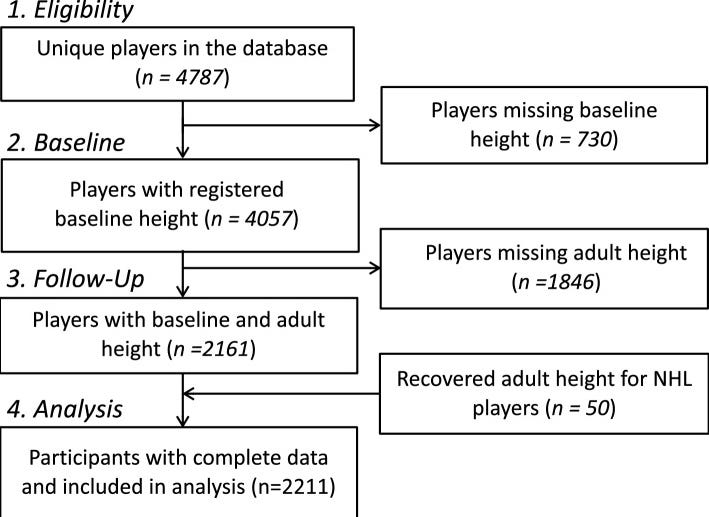
“We try to do that for biogenetics… Coaches do not choose the first team as the big tall guys. They choose the players with maximum skilled talent… size does not matter there… pick players with a higher ceiling.”
He adds some perspective from his own life.
“I’ve seen a lot of late bloomers, including myself and my son… Some players struggle at U14–U15, and when it comes to U18 they are the top players.”
A good note to steal is as follows. At selection, tag maturity, then bias for skill ceiling over early size evaluation. Keep late-maturer notes visible for every staffer, then re-audit roles at U16 and U18 so ceilings do not get lost behind bodies or early puberty.

Why Finland Punches Above Its Size
Joni’s answer blends culture and incentives.
“Ice hockey in Finland is a very big sport… maybe if you look at the media, it is the biggest… Soccer has more players, but hockey is one of the rare sports in Finland where you can have a profession. I think that drives Finnish players to pursue the dream.”
He adds something newer, increased international draw into Finnish juniors.
“Hockey is getting more international in Finland… players come here to play… You know Alberts Smits, he came from Latvia, he played with my son at Karhu-kissat and then was picked for the Olympic team.”
Finland has become a genuine landing spot for non-Finnish prospects, especially from Latvia, Czechia, Slovakia, and nearby Sweden, because the pathway is predictable and performance-based. Families see clear ladders. Clubs are English-friendly, coaching language is consistent, and school tie-ins plus steady ice make integration straightforward. For late bloomers, that international draw matters, it deepens competition without closing doors, so players can find the right tier for minutes now and still earn their way up.
Related: Top 3 Finnish Skaters on the NHL Central Scouting 2026 Draft Board
Wrapping Up
Thanks to Joni Viherlaakso and Helsinki Ice Force for the time and straight talk. If this helped you see how a national spine and local freedom can work together, follow Helsinki Ice Force on their club channels and keep an eye on how they handle development constraints, bio-banding in selections, and tier mobility each spring.
Follow Helsinki Ice Force
Website: https://www.iceforce.fi/
YouTube: https://www.youtube.com/@IceForceHelsinki
Questions For Joni?:
Email: joni.viherlaakso@iceforce.fi
If you want more of this kind of scouting and development writing, follow me and say hello. I post new pieces and scout cards here and share clips on my socials. You can reach me by email at AndrewPEpps@yahoo.com. Stay tuned for more of the Development Exchange.